|
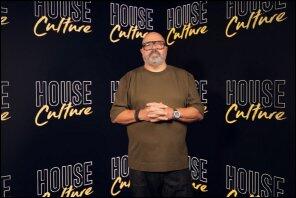 From a simple Instagram account to a series of events, podcasts, music drops within everything house the rise of ‘House Culture’ has not been missed by Defected’s Simon Dunmore who now takes a majority share to develop the platform further…
Simon Dunmore, founder of Defected Records, has acquired a majority shareholding in House Culture, the independent music platform that began as an Instagram page created by two friends who met on a London dancefloor.
The acquisition brings together one of house music's most influential figures and a community built through a shared passion for the music, with plans to develop House Culture into a global platform dedicated to documenting, celebrating and furthering the culture.
Founded by Stephen Hedge and Richard Clark, who first met as strangers on a Shoreditch dancefloor in 2012, House Culture began with a simple idea: sharing the records, artists and parties they loved with other people who felt the same way.
What started as an Instagram account steadily grew towards 100,000 followers, developing into a community with its own podcast, curated playlists and events.
The House Culture Podcast launched in 2019, led by contributor Matt Rouse, and has since welcomed guests including Fatboy Slim, Danny Tenaglia and David Morales. It was through the podcast that the relationship with Dunmore first developed.
After appearing as a guest, Dunmore found himself drawn to the team's enthusiasm and what they had created. Conversations about becoming involved followed, ultimately leading to the acquisition.
Simon Dunmore said:
“I was invited as a guest on the House Culture podcast at a time when I was coming to terms that perhaps I needed purpose in my life and that I was premature in my retirement. I was taken by their passion for house music and the engaged community that they had built in a short space of time. I suggested that I would like to get involved and the conversations evolved from there.”
Having founded Defected Records in 1999 and spent more than two decades building one of electronic music's most recognised independent labels, Dunmore now brings his experience to a project with a different purpose.
At the heart of the ambition is a belief that the history of house music, and the people responsible for shaping it, deserve greater recognition, particularly as new generations discover and reinterpret the genre. House Culture intends to build a platform that connects those generations. One that celebrates the pioneers, documents the stories and communities that helped establish the music, and gives space to the artists, producers and creatives carrying it forward.
House Culture founders Stephen Hedge and Richard Clark, and podcast contributor Matt Rouse, said:
“He has an incredible amount of experience, but more importantly he understands the culture we love and what makes a music brand resonate with people. For us, it's about taking everything that people already love about House Culture and seeing how far we can take it.”
The next chapter will see the House Culture Podcast and radio show become the foundation of a broader editorial offering, encompassing original features, video, YouTube, playlists, a newsletter and a growing archive. The platform will explore the stories behind influential records, artists, labels, clubs and scenes, while creating opportunities for new voices and developing closer relationships with the wider house music community.
Plans also include expanding into events and music releases, with the ambition to move House Culture beyond its origins as a social media platform and establish a lasting cultural resource for the genre.
The business will continue to operate collaboratively, with Dunmore joining founders Hedge and Clark alongside contributors Matt Rouse, Nick Gordon Brown and Steve Banks, supported by a wider network of artists, DJs, photographers, archivists and ambassadors.
For Dunmore, the opportunity is as much about acknowledging those who came before as it is about supporting what comes next.
Dunmore added:
“We feel that the pace of social media has resulted in many key traditions being left behind, certainly when it comes to music and artistry. This isn’t about nostalgia. We are committed to ensuring that the people who helped build this culture are properly credited, to supporting the creatives shaping the current scene, in the hope that ultimately these values help inspire future generations.”
|


 Frontpage
 News
 Reviews
 Interviews
 Party Reports
 Artist Profiles
 Label profiles
 Diaries
 What is...
 Tutorials
 Links
 Radio-info


 Forum
 Chat
 User Stats
 Crew-info
 i:Vibes Info

 Related Links
 Tell a friend


